Explore our network of country and industry based websites to access localized information, product offerings, and business services across our group.
Log in to start sending quotation requests for any product.
Don't have an account? Sign Up Here
Log in now to access technical product documents from our product range.
Don't have an account? Sign Up Here
Home All Products Palm Kernel Expeller
|
IUPAC Name |
: N/A |
|
Cas Number |
: 8001-22-7 |
|
HS Code |
: 1507.90.90 |
|
Formula |
: C11H9N3O2.Na |
|
Appearance Name |
: Yellow Liquid |
|
Common Names |
: Palm Kernel Expeller, PKE, Palm Kernel Cake, Palm |
|
Packaging |
: 21 MT / 20 Flexibags |
For more detailed information including pricing, customization, and shipping:
Brief Overview
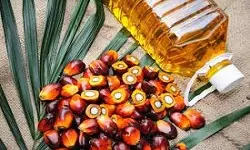
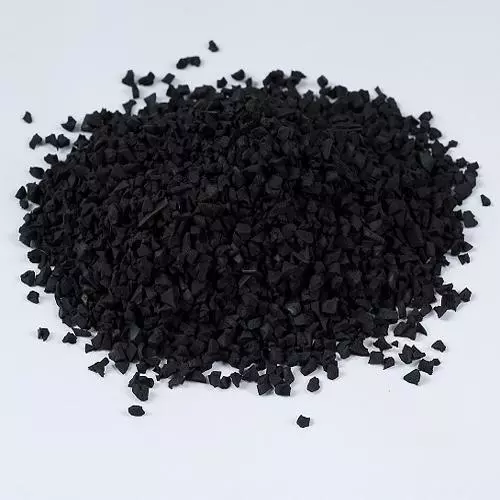
The manufacture of palm oil yields palm kernel expeller, also referred to as palm kernel cake or meal (PKE), which is a valuable byproduct. With palm oil and palm kernel oil, it is one of the three primary products of palm oil farms. PKE is a byproduct of the method used to produce palm oil from the palm fruit. It is a premium stock feed with a medium calorie content and high amounts of crude protein. For the majority of cattle classes, feeding it as a supplement is totally safe. PKE is best fed in combination with high-energy foods like molasses or maize silage.
Manufacturing Process
A waste by-product of the manufacture of palm oil is PKE. The solid portion of the seed kernels that remains after oil extraction is mashed and turned into palm kernel expeller, which is the pulp left over after the oil is extracted from the kernel. Typically, winnowing—a mechanical process that separates the husks or seed coat from the oil-bearing material—and hydrocyclones—a stationary device that imparts centrifugal force to a liquid—are used in bigger mills to separate the palm kernels from the shells. Before being packed, the kernels are dried in silos until they have a moisture level of around 7%.
Animal Feed
Animals such as pigs, cattle, fish, sheep, and cows are fed PKE. It is recognized for being a balanced supply of protein and energy with a high fiber and palmitic acid content, and it may be given to animals directly as a single feed item.PKE is fed to cattle at intensive farms or commercial feedlots for the purpose of fattening cattle, including pasture-grazed animals, in order to produce beef. PKE is utilized more intensively in the dairy than in the beef industries because lactating dairy cows, who are frequently housed on zero-grazing (intensive) farms, require 25–35% more feed than bulls, calves, and non-lactating cows.
Electricity Generation
PKE is also utilized in combined coal-biomass power plants to generate energy.



 English

 العربية
 Español




















.webp)