Explore our network of country and industry based websites to access localized information, product offerings, and business services across our group.
Log in to start sending quotation requests for any product.
Don't have an account? Sign Up Here
Log in now to access technical product documents from our product range.
Don't have an account? Sign Up Here
Home All Products Sodium Lauryl Sulfate (Needle 95%) - Indonesia
|
IUPAC Name |
: Sodium lauryl sulphate |
|
Cas Number |
: 13463-67-7 |
|
HS Code |
: 3206.11.10 |
|
Formula |
: TiO2 |
|
Appearance Name |
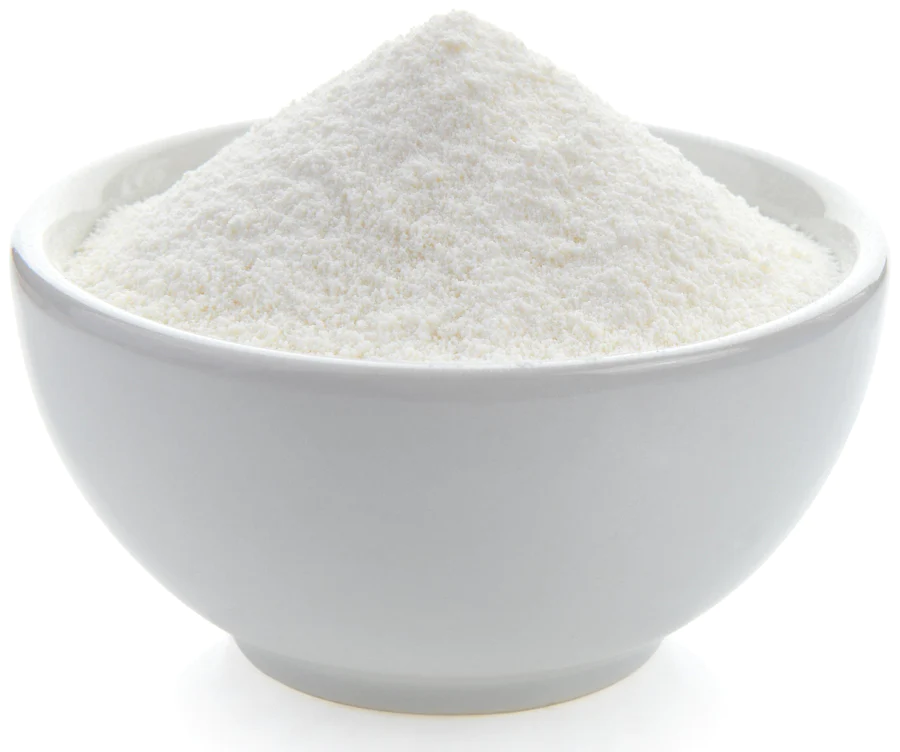
: White Powder |
|
Common Names |
: Sodium dodecyl sulfate, SLS |
|
Packaging |
: 25, 500, 1000 KG |
For more detailed information including pricing, customization, and shipping:
Brief Overview
SLS Needle 95% is a top-tier anionic surfactant widely used in the chemical and detergent industries. It's a white, needle-shaped powder with a minimum purity of 95% and is excellent for producing foamy cleansers like shampoos and detergents. This anionic surfactant is known for its high foaming and wetting properties, can tolerate some water hardness, and is biodegradable, ensuring consistent foaming performance.
Manufacturing Process
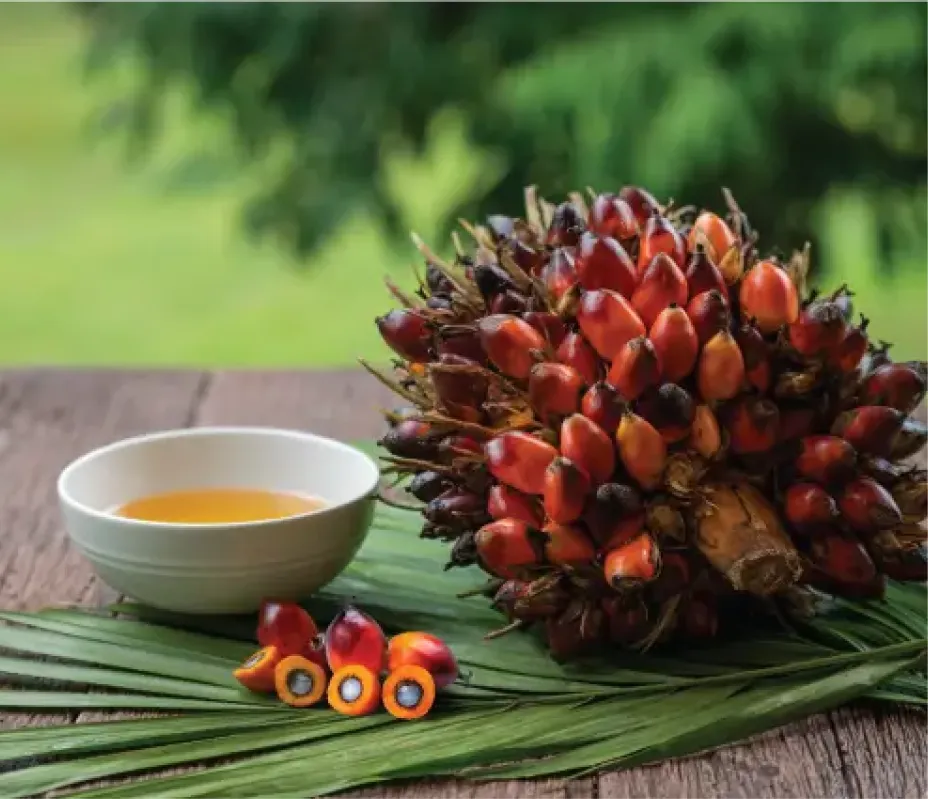
SLS is synthesized by treating lauryl alcohol with sulfur trioxide gas, oleum, or chlorosulfuric acid to produce hydrogen lauryl sulfate. The industrially practiced method typically uses sulfur trioxide gas. The resulting product is then neutralized through the addition of sodium hydroxide or sodium carbonate. Lauryl alcohol is in turn usually derived from either coconut or palm kernel oil by hydrolysis, which liberates their fatty acids, followed by hydrogenation.
Due to this synthesis method, commercial samples of SLS are often a mixture of other alkyl sulfates, dodecyl sulfate being the main component. SLS is available commercially in powder and pellet forms. It seems the pellet form dissolves faster than the powder form in water
Cleaning products
Used in a range of cleaning items like dishwashing liquids, laundry detergents, and multipurpose cleaners. It helps in the elimination of dirt and stains from surfaces while fostering the production of a substantial lather.
Toothpaste
In toothpaste industry, it plays a prominent role as both a foaming agent and emulsifier. Its function is to enhance the foaming effect and improve the cleaning efficacy of toothpaste.
Shampoo
In shampoos, it serves as the primary surfactant, effectively removing dirt and excess oils from hair and the scalp, all while generating a luxurious lather.



 English

 العربية
 Español



















---china.webp)