Explore our network of country and industry based websites to access localized information, product offerings, and business services across our group.
Log in to start sending quotation requests for any product.
Don't have an account? Sign Up Here
Log in now to access technical product documents from our product range.
Don't have an account? Sign Up Here
Home All Products Antimony Trioxide (99.5%) - Japan
|
IUPAC Name |
: Antimony(III) oxide |
|
Cas Number |
: 68585-34-2 |
|
HS Code |
: 3402.11.00 |
|
Formula |
: CH3(CH2)10CH2(OCH2CH2)nOSO3Na |
|
Appearance Name |
: Yellowish white paste |
|
Common Names |
: Antimonous oxide, Diantimony trioxide |
|
Packaging |
: 170 Kgs HDPE Drums without pallets, 19.38 MT |
For more detailed information including pricing, customization, and shipping:
Brief Overview
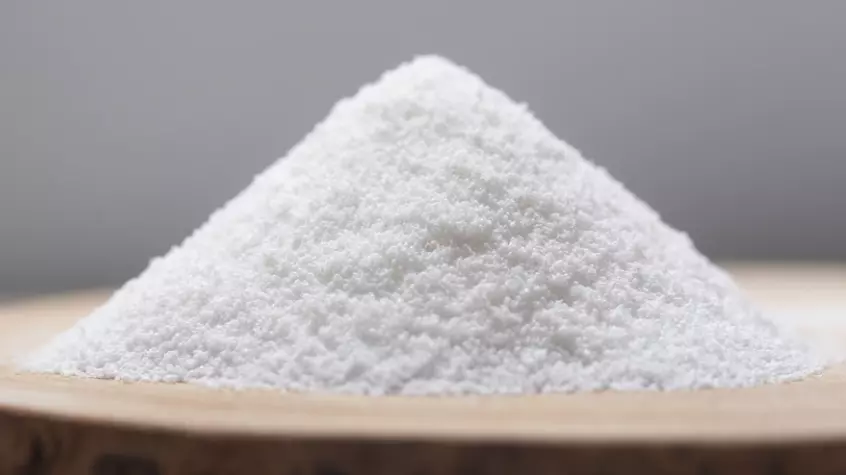
Antimony trioxide, commonly referred to as ATO, is a commercially produced compound originating from naturally occurring antimony, a metal found in the earth's crust. ATO appears as a white, odorless crystalline powder resembling sand. It possesses amphoteric properties, capable of dissolving in both alkaline and acidic solutions. When dissolved in alkaline solutions, it forms antimonites, while in acidic solutions, it yields polyantimonous acids. ATO exhibits ease of oxidation and reduction, allowing transformation into antimony pentoxide and various other antimony compounds. Notably, it is toxic and is believed to possess carcinogenic potential in humans.
In numerous industrial applications, ATO finds extensive use, primarily serving as a synergistic agent with flame retardants and as a catalyst in the production of polyester (PET). Its structure undergoes changes corresponding to alterations in sample temperature. These orthorhombic structures, known for their remarkable stability, naturally occur as the mineral valentine.
Manufacturing Process
Antimony oxide can be produced via two methods: the direct and indirect processes.
Indirect Method:
During this process, antimony metal or ores are melted in a furnace to produce ATO vapors. These vapors are swiftly cooled and quenched with air, leading to their transformation into a white powder. Subsequent filtration yields antimony trioxide powder.
Direct Method:
In the direct process, raw antimony oxide undergoes roasting in the presence of air, resulting in ATO vapors. These vapors are then condensed, converting them into a white powder. Further filtration is carried out to obtain antimony trioxide powder.
Textile Industry
Antimony trioxide (ATO) finds several applications in the textile industry, primarily as a flame retardant. It's often used as a synergist with halogenated compounds or other flame-retardant chemicals to enhance the fire resistance of textiles, particularly in materials like polyester.
Polyester fabrics are commonly treated with flame retardants to meet safety standards. ATO, due to its ability to inhibit the spread of fire and reduce the flammability of materials, is utilized in polyester manufacturing. It helps textiles meet stringent fire safety regulations, making them more suitable for various applications where fire resistance is essential, such as in upholstery, curtains, carpets, and other textile-based products.



 English

 العربية
 Español




















-1771468773.webp)
---india.webp)